
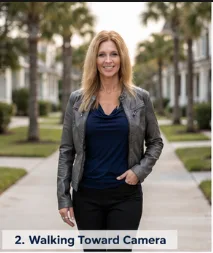

Moving to the Grand Strand is a different process than buying down the street.
You cannot wander through open houses on a Saturday, and the neighborhoods arrive through screens and secondhand opinions. The good news: out-of-state buyers do this successfully every year, and most of them say the same thing afterwards. The homework you do before the move is what makes the first months feel easy.
Pick the Right Neighborhood for Your Lifestyle
The Grand Strand is not one place. It is a long stretch of coastline made up of distinct towns and communities, each with its own personality, price range, and pace. A neighborhood that delights one buyer can frustrate another, so think about how you actually want to live before you start favoring specific listings. Here is a quick tour, in honest rather than salesy terms.
The Market Common area is the closest thing the region has to a walkable town center: shops, restaurants, and green space laid out on a plan, just minutes from the beach. It suits buyers who like to park the car for the weekend.
Carolina Forest is where many relocating families land: newer homes, schools close by, and a community designed around everyday family life rather than tourism.
North Myrtle Beach keeps the classic beach-town feel, with its own downtown, live music, and a slower, neighborly energy a few miles up the coast.
Murrells Inlet is the area's seafood capital, home to a long string of waterfront restaurants and a laid-back coastal attitude.
Surfside Beach and Pawleys Island appeal to buyers who want quieter beach living, less commercial bustle, and more open sky.
Inland, the Arcadia area and surrounding communities tend to offer more space and more house for the money, with the beach still an easy drive.
Treat these as starting points, not verdicts. Every community has pockets that feel different, and part of the first conversation is narrowing down which two or three areas deserve a closer look.
Flood Zones and Insurance: Ask Before You Fall in Love
Parts of the Grand Strand sit in designated flood zones, and that is worth knowing before you fall for a particular house. Flood insurance is a real line-item cost in coastal areas, and it surprises many buyers who never had to think about it before.
For any property you seriously consider, we check the flood zone, whether the home has a history of flooding, and what the annual premium is likely to run. Those numbers belong in your monthly budget from the start, right alongside the mortgage payment and any HOA fee.
Kimberly works with local insurance providers and factors the cost into the full picture before you commit, so the home you love is also the home you can afford with your eyes open. It does not mean you cannot buy near the water; it means you buy with accurate numbers from day one.
Get a Personalized Home Search
Tell Kimberly what you are looking for and she will send you the best matches for the Grand Strand within 24 hours. No portal will do that for you.
Prefer to talk? Call or text Kimberly at 843-220-8136.
Know the Seasons
The Grand Strand hosts three different versions of itself through the year. Summer brings the crowds, the traffic, and the full energy of a beach town at volume. Winter turns quiet, with slower streets and a much more local feel. Spring and fall are the seasons many residents quietly consider the best of all: warm weather without the peak-season rush.
For investors, the seasons matter directly, because rental income follows them. Vacation demand concentrates in the warm months, and pricing a rental property means understanding those peaks before you buy.
For buyers, the seasons mostly affect timing: when you want to move, how busy your first summer will feel, and how much of the local flavor you will actually see on your visits. They are a schedule consideration, not a reason to avoid the area.
Schools, Commuting and Everyday Life
If you are moving with school-age children, confirm the school situation early. Horry County Schools serves the Myrtle Beach area, and which school a home feeds into depends on exactly where the property sits. Each address should be verified rather than assumed.
Commuting around the Grand Strand is generally straightforward, with Highway 17 and Highway 501 as the main arteries. Summer weekends bring the heaviest traffic near the beach, and most residents simply plan around it.
Myrtle Beach International Airport makes the area easy for family and friends to visit, with nonstop service to many cities. That matters more than you might expect once grandparents, adult children, or far-away best friends start booking flights.
Everyday logistics tend to fall into place quickly: groceries, healthcare, dining, and services are spread across the area, and a normal week will feel familiar sooner than you think. Questions about doctors, vets, gyms, or wherever you plan to spend your Saturdays are all fair game for the first conversation.
How to Buy From Out of State Without Buying Blind
The good news is that buying from a distance is easier than it used to be, as long as the process is built around you rather than around a listing feed.
A virtual-first search can cover a remarkable amount of ground: video walkthroughs of specific homes, video calls to talk through neighborhoods and budgets, and live area tours that show you the beach, the commute, and the grocery run. By the time the shortlist is real, one or two well-planned visits to Myrtle Beach do the confirming, not the discovering.
Kimberly represents the buyer side of the transaction on every purchase here, which means the process has a single point of accountability. Scheduling, questions, numbers, and follow-through all land in one place.
A personalized search is different from a portal. Portals serve everyone the same list; a personalized search is built around your budget, your neighborhood shortlist, your timing, and the trade-offs you care about, and it arrives with honest notes on each home. That is how you end up with a short list you can actually act on, not four hundred open tabs.
The first step is a quick call. You describe what you need, and Kimberly takes it from there.
Get a Personalized Home Search
Tell Kimberly what you are looking for and she will send you the best matches for the Grand Strand within 24 hours. No portal will do that for you.
Prefer to talk? Call or text Kimberly at 843-220-8136.